
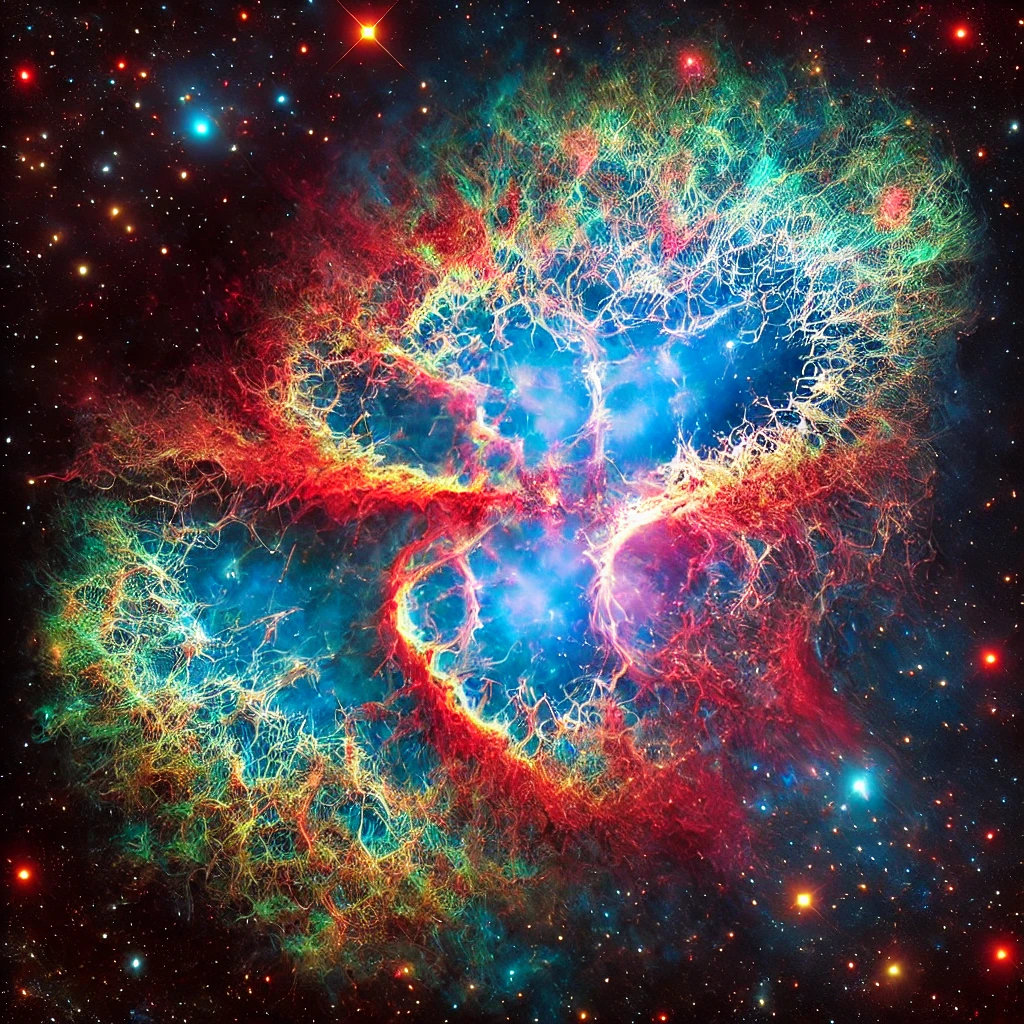
Supernovae: Stellar Fireworks
When looking up at the sky, it's easy to think of stars as eternal, unchanging points of light. But in reality, nothing lasts forever in the universe. Stars live dynamic lives, going through different phases before eventually meeting their end, which in some cases is a dramatic explosion called supernova.
How Supernovae Shape the Universe
Supernovae are more than just spectacular cosmic fireworks. They are key players in the universe's lifecycle, scattering the elements forged in a star's core across space and driving the formation of new stars and planets. Let's dive into the world of supernovae and uncover the secrets of these powerful cosmic events.
The Anatomy of a Supernova
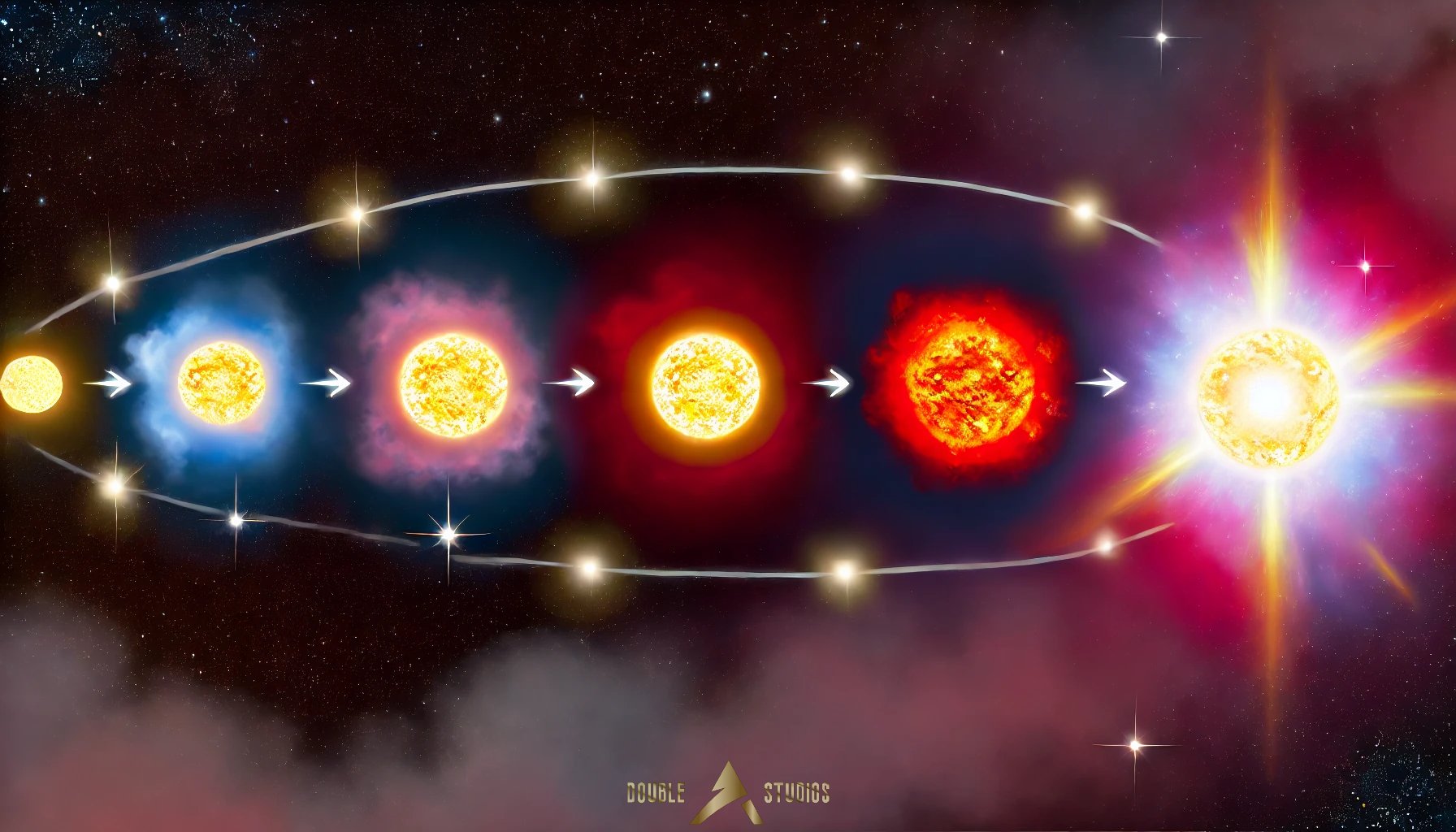
A supernova occurs when a star reaches the end of its life, but not all stars are destined for such a fiery finale. Only those with enough mass undergo the process. There are two main types of supernovae: Type I and Type II, each with its own triggering mechanism.
Type I Supernovae occur in binary star systems where one star, typically a white dwarf, draws material from its companion. When the white dwarf accumulates too much mass, it can no longer support itself and collapses, triggering a massive explosion.
Type II Supernovae are the result of massive stars, at least eight times the mass of the Sun, reaching the end of their lives. As these stars run out of nuclear fuel, their cores collapse under their own gravity, leading to a dramatic explosion.
In both cases, the explosion releases an enormous amount of energy, sometimes outshining entire galaxies for a short period. The star's outer layers are blasted into space, leaving behind a dense core that may become a neutron star or, if the original star was massive enough, a black hole.
Cosmic Alchemy: Supernovae and Element Formation
Supernovae are responsible for creating many of the elements that make up our universe, including those essential for life. The intense pressure and temperature during a supernova explosion allow for the formation of heavy elements like iron, gold, and uranium. These elements are then scattered across the cosmos, seeding future generations of stars and planets.
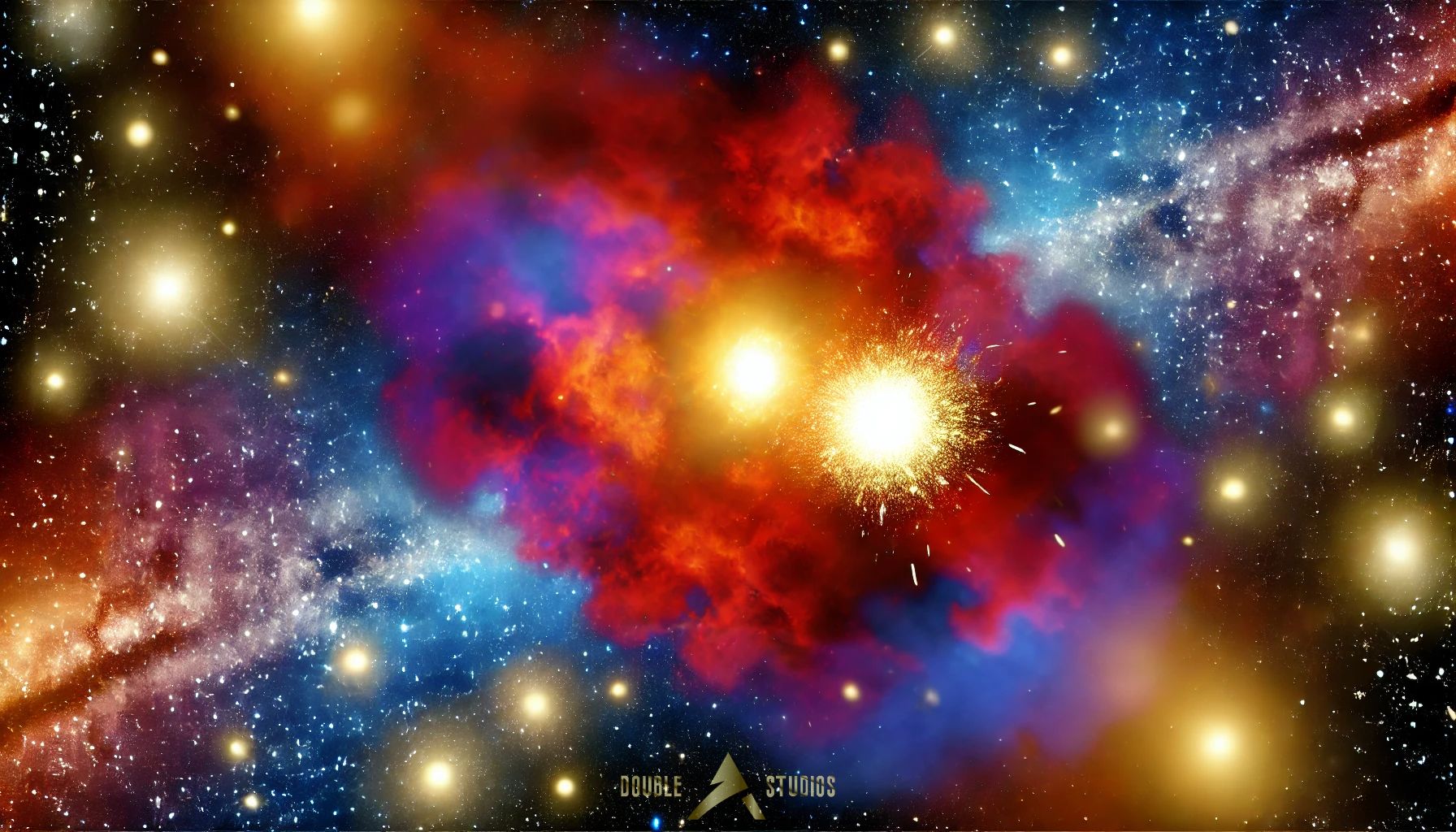
In fact, the very atoms in our bodies—the calcium in our bones, the iron in our blood—were forged in the heart of a star that lived and died billions of years ago. Supernovae are the universe's way of recycling stellar material, ensuring that nothing goes to waste.
The Ripple Effect: Impact on the Cosmos
The energy released by a supernova doesn't just create new elements; it also sends shockwaves through space, triggering the formation of new stars. When these shockwaves encounter nearby gas clouds, they compress the gas, causing it to collapse and ignite the birth of new stars. This process, known as triggered star formation, is essential for the continuous renewal of the cosmos.
Moreover, supernovae play a crucial role in regulating star formation rates within galaxies. The explosive energy can blow away gas and dust, preventing it from collapsing into new stars too quickly. This balance ensures that galaxies evolve steadily over time, rather than burning through their star-forming material too rapidly.
Famous Supernovae: A Glimpse into the Past
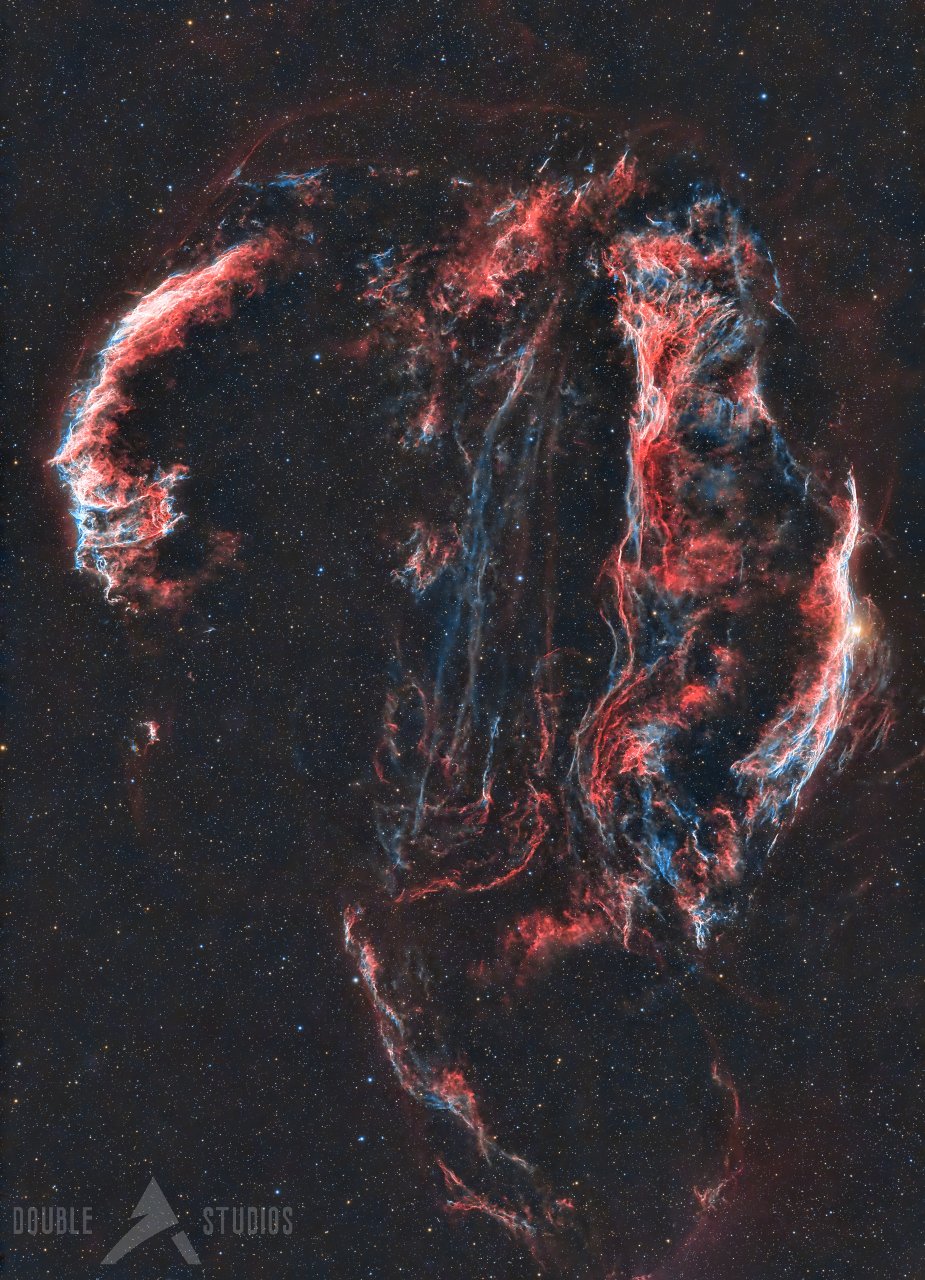
Throughout history, several supernovae have been observed and recorded, leaving a lasting impact on our understanding of the cosmos. One of the most famous is SN 1987A, which exploded in the Large Magellanic Cloud, a satellite galaxy of the Milky Way. This event provided astronomers with a wealth of data, helping them refine their models of stellar evolution and supernova mechanics.
Numerous supernova remnants (SNR) can be observed today in the universe, some of which are fairly close to us. One famous example is the Cygnus Loop, an expansive SNR spanning across a region of the sky roughly 3 degrees in diameter, in constellation Cygnus some 2,500 light years away.
Another well-known remnant is the Crab Nebula, the aftermath of a supernova observed by Chinese astronomers in 1054 AD. The Crab Nebula continues to be a focal point of study, offering insights into the life cycles of stars and the dynamics of supernova remnants.
Supernovae and the Fate of the Earth
While supernovae are fascinating cosmic events, they can also pose a threat to life. A nearby supernova could potentially strip away Earth's ozone layer, exposing life to harmful cosmic radiation. Fortunately, there are no stars close enough to us that are expected to go supernova anytime soon, but it’s a reminder of the dynamic and sometimes dangerous nature of our universe.