
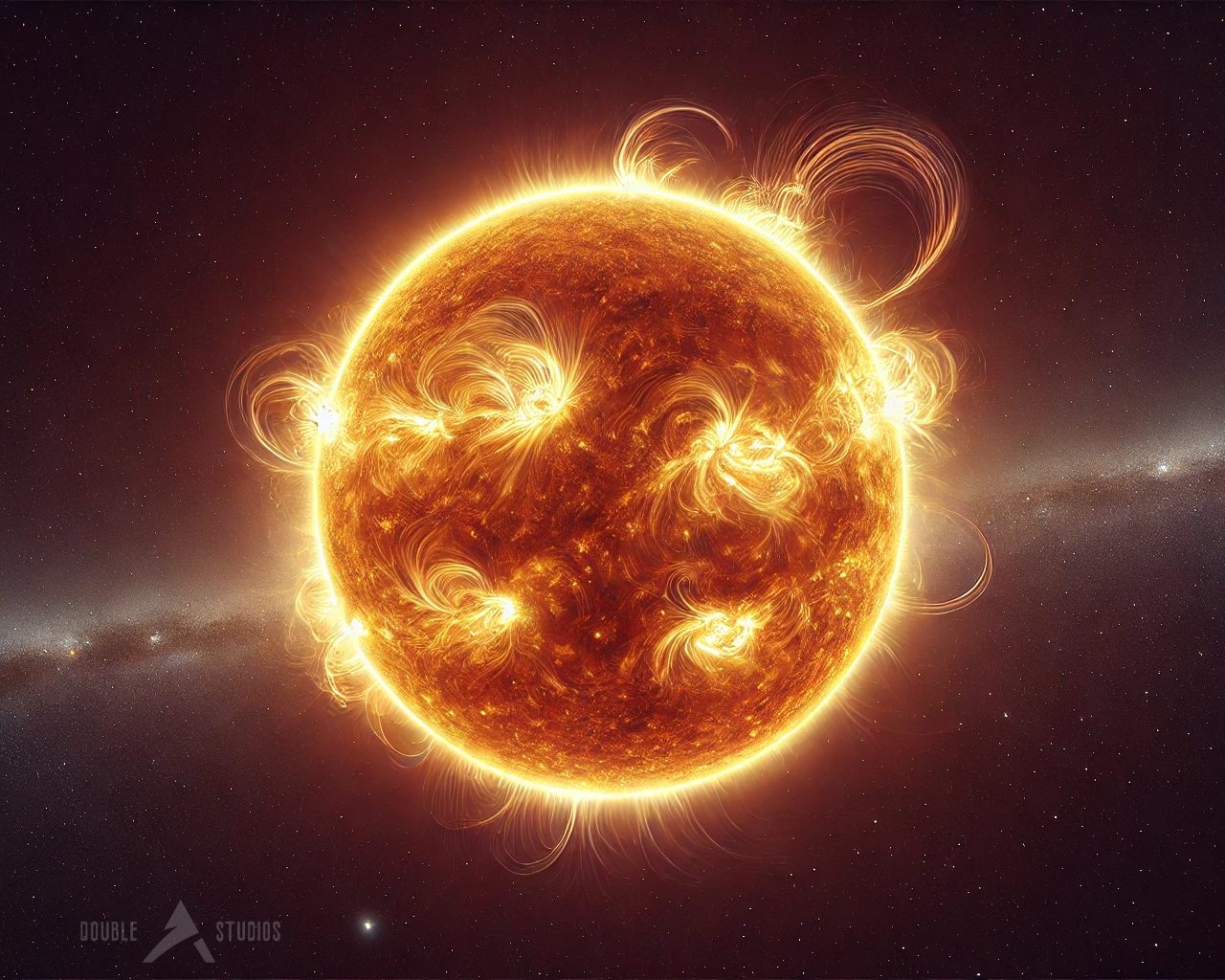
The Sun
Discover more about the Sun, a blazing titan that fuels life, weaves seasons, and stands as the cosmic anchor of our Solar System.
The Sun: Cosmic Engine of Life
The Sun—our very own star and the heart of our Solar System—is a gargantuan sphere of seething plasma, holding together an entire cosmic family. As the central figure in our planetary dance, the Sun’s gravitational pull keeps planets, moons, and countless objects in their orbits, all while its radiant energy sustains life on Earth.
But what is the Sun, truly? Ancient cultures worshipped it as a deity, and even today, its mysteries captivate our imaginations. As famed astronomer Carl Sagan once said, “The cosmos is within us. We are made of star-stuff.” Indeed, the Sun is a luminous embodiment of the universe's creative force.
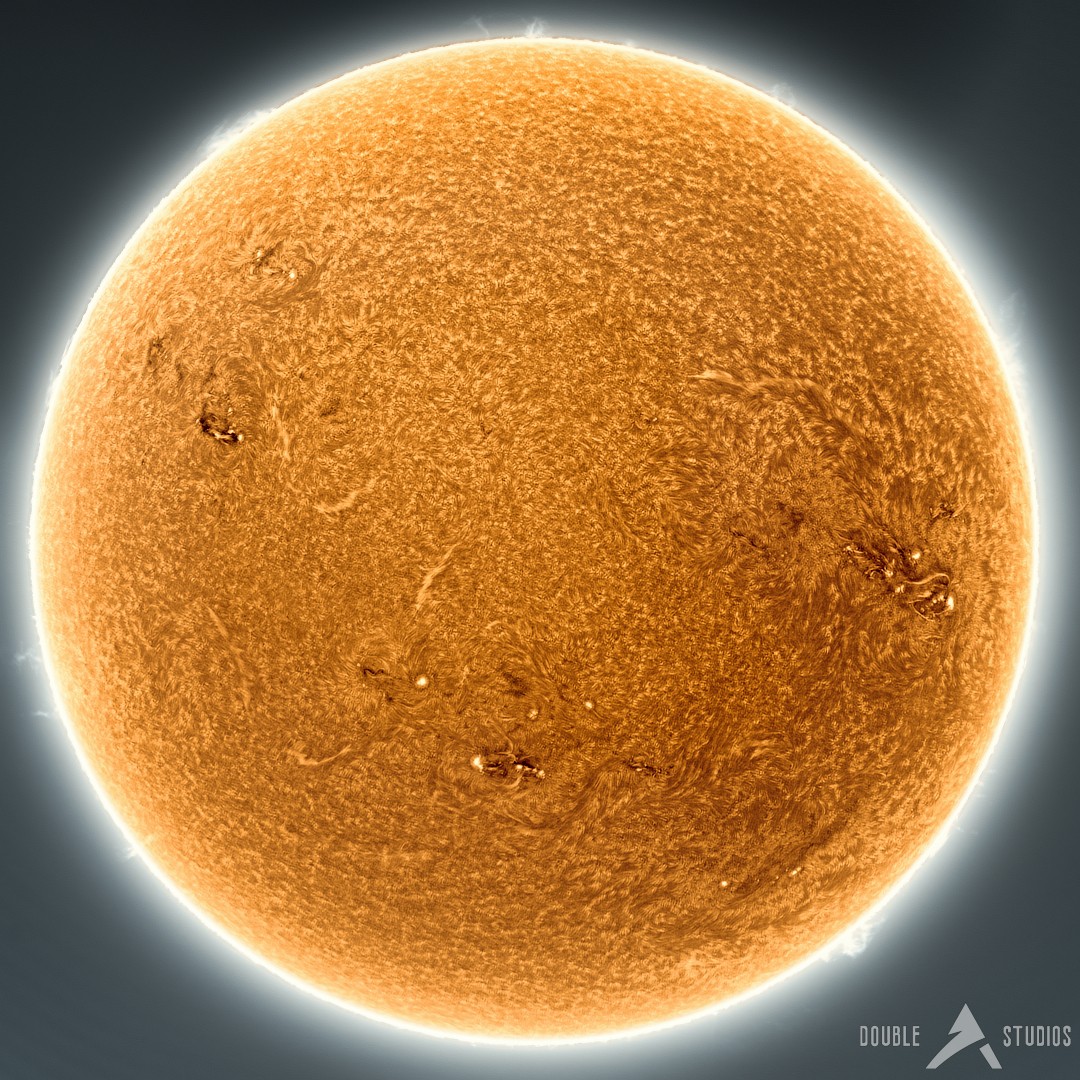
Born around 4.6 billion years ago from a swirling cloud of gas and dust, the Sun ignited as nuclear fusion began in its core, converting hydrogen into helium and unleashing enormous energy in the form of light and heat. This ongoing fusion process is the very heartbeat of the Sun, powering its brilliance for billions of years.
The Sun’s anatomy is divided into several layers, each with its own vital function. At its core, temperatures reach a staggering 15 million degrees Celsius (27 million F), here's is where nuclear fusion occurs. Surrounding the core are the radiative and convective zones, where energy slowly moves outward towards the Sun’s surface. The visible outer layer, the photosphere, burns at around 5,500 degrees Celsius (10,000 degrees F), emitting the sunlight that bathes our planet. Above the photosphere lie the chromosphere and the corona, the latter extending millions of kilometres into space and visible during solar eclipses as a ghostly white halo.
The Sun's dynamic nature is evident in its sunspots, solar flares, and coronal mass ejections—phenomena driven by the Sun’s magnetic field. These sunspots are cooler, darker regions on the Sun's surface, often associated with powerful solar storms. Solar flares and coronal mass ejections (CMEs) release massive amounts of energy and charged particles into space, which can cause stunning auroras on Earth but also disrupt satellite communications and power grids.
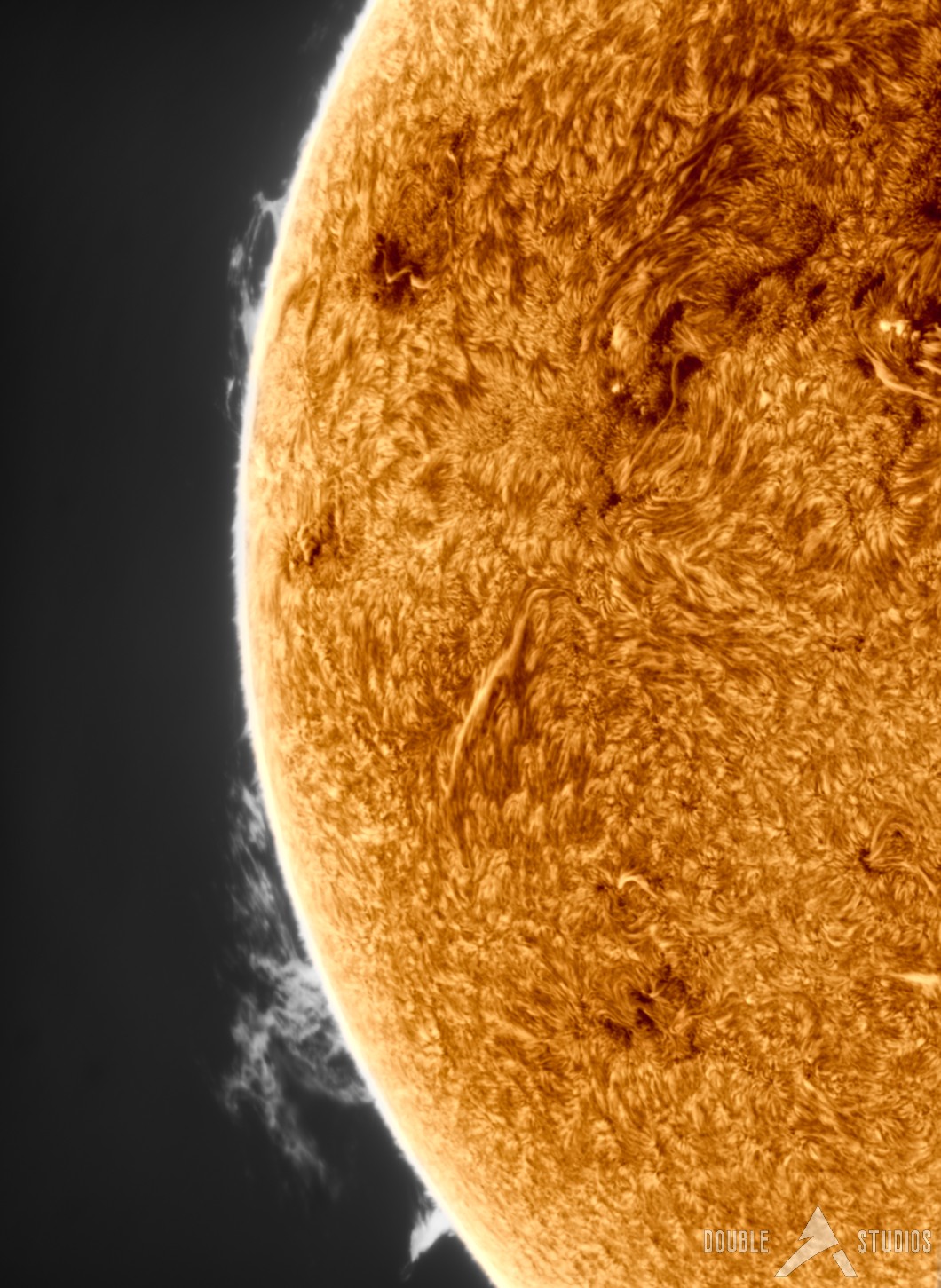
As the solar cycle progresses over roughly 11 years, these features wax and wane, influencing space weather and occasionally disrupting our earthly technology. This cycle's peaks and valleys—the solar maximum and minimum—reflect the changing activity levels on the Sun's surface, underscoring its restless and ever-changing nature.
Our Sun is not merely a solitary beacon in the sky, but a complex and living entity, participating in the grand galactic ballet as it orbits the centre of the Milky Way. This journey takes around 230 million years to complete—a cosmic voyage that ties our existence to the vastness of space. From its life-giving warmth to its inevitable transformation into a red giant, the Sun’s story is a testament to the grandeur and transience of the universe.
Ultimately, the Sun's significance transcends its role as a source of light and heat. It is a symbol of the cosmic cycles that govern not only our Solar System but the entire universe. It is a reminder of our connection to the stars, our place in the cosmos, and the delicate balance that sustains life on Earth.