
The Life of Stars
Let's explore together the magnificent journey of stars, from their birth in nebulae to their spectacular demise in supernovae explosions.
The Lifecycle of Stars: From Nebulae to Supernovae
Stars are the celestial artisans of the universe, painting the night sky with their radiant light and mysterious beauty. Their journey from birth to death is a tale of cosmic transformation that has fascinated astronomers for centuries. Let’s embark on this journey and discover the wonders of the stellar lifecycle.
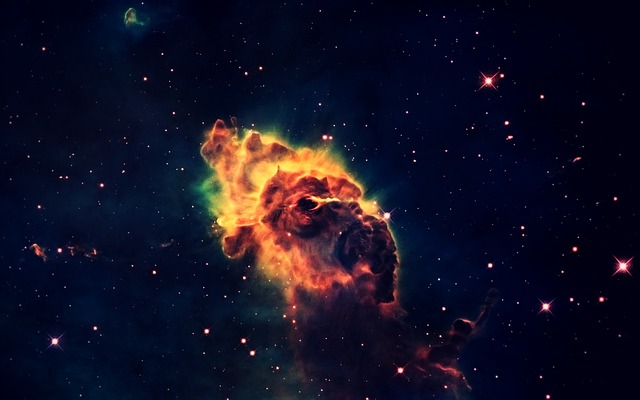
Stars are born in vast clouds of gas and dust known as nebulae. These stellar nurseries are regions of intense activity, where gravity pulls the gas and dust together to form dense clumps. When these clumps become dense enough, they collapse under their own gravity, leading to the birth of a new star.
Imagine a colossal cloud, light-years across, with regions glowing in vivid hues of red (hydrogen) and blue or green (oxygen). These colours are not just pretty sights; they are signals of the intense processes at play. As the clump collapses, it heats up, eventually igniting nuclear fusion in its core. Voilà, a star is born!
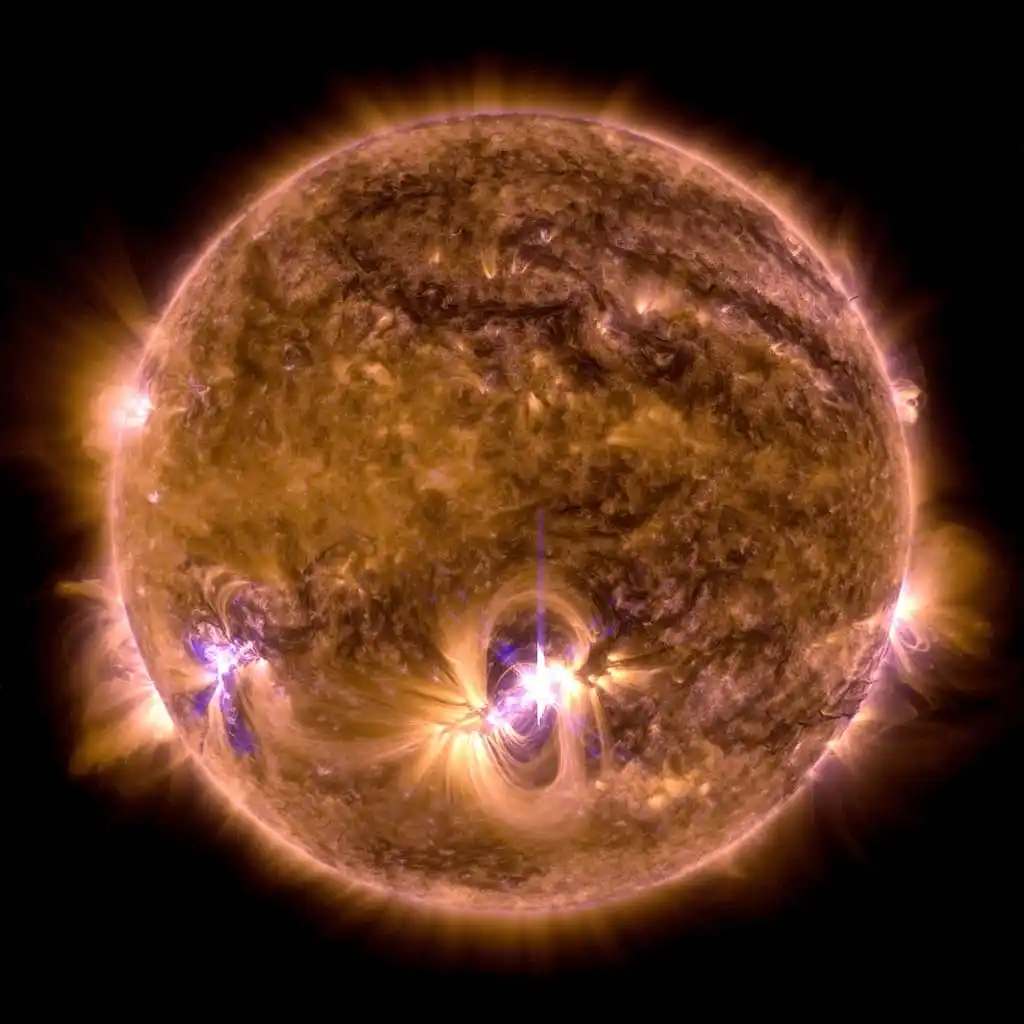
Now begins the main sequence phase, which is essentially a star's adulthood. During this phase, which can last billions of years depending on its mass, the star fuses hydrogen into helium in its core, releasing a tremendous amount of energy. This is the phase where stars like our Sun spend the majority of their lives, shining brightly and providing the necessary energy for life on planets like Earth.
As stars exhaust their hydrogen fuel, they enter the red giant phase. The core contracts and heats up, while the outer layers expand and cool, giving the star a reddish hue. For stars like our Sun, this phase marks the beginning of the end. They become bloated giants, swallowing nearby planets and shedding their outer layers into space, creating beautiful planetary nebulae.
The fate of a star depends on its mass. Stars like our Sun end their lives as white dwarfs, gradually cooling and fading away over billions of years. For more massive stars, the end is far more dramatic.
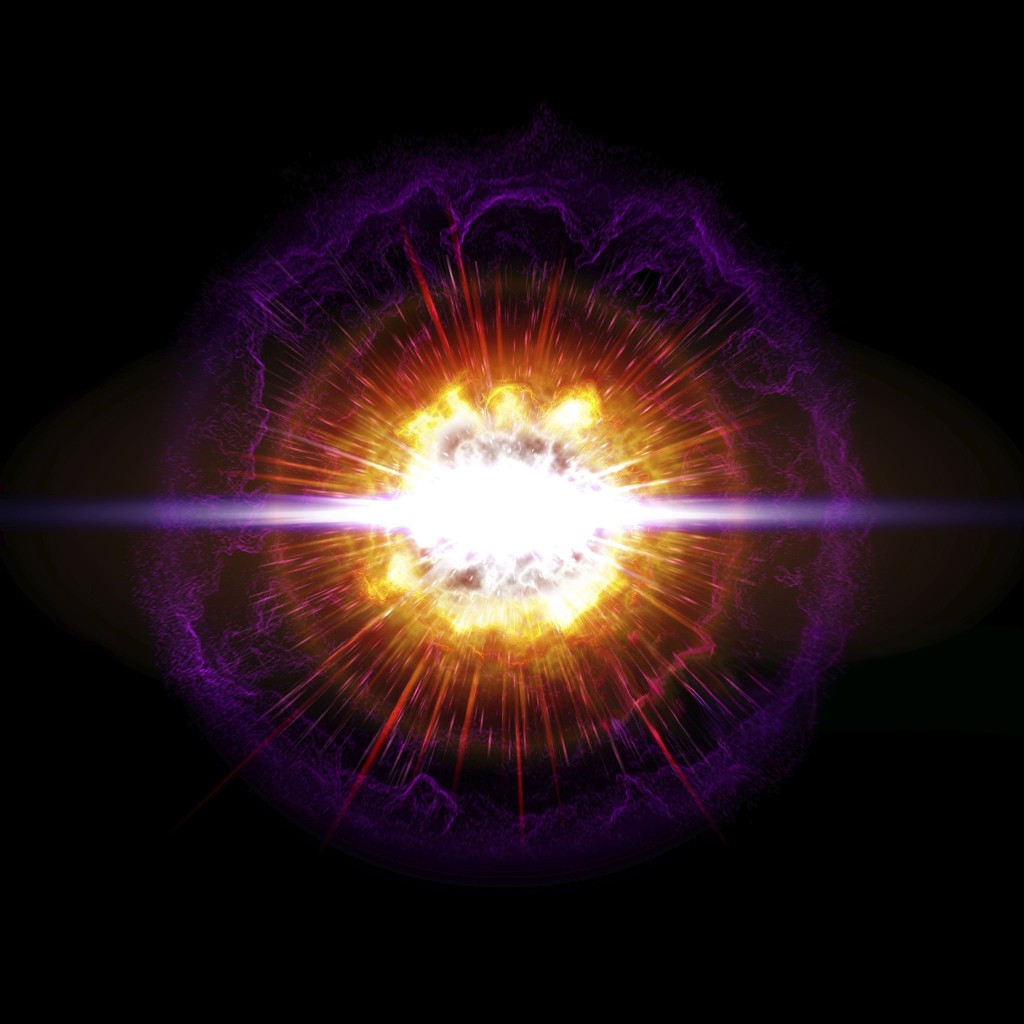
When a massive star exhausts its fuel, it undergoes a catastrophic collapse, resulting in a supernova explosion. This explosion is one of the most energetic events in the universe, outshining entire galaxies for a brief period. The core left behind can become a neutron star or, if the star was massive enough, a black hole.
Neutron stars are incredibly dense remnants, where a teaspoon of material would weigh billions of tons. Black holes, on the other hand, are regions of space where gravity is so intense that nothing, not even light, can escape.
We are made of star stuff - C. Sagan
The remnants of supernovae enrich the surrounding space with heavy elements, which eventually mix with other gas and dust to form new stars. This recycling process means that the material in our bodies, the iron in our blood, the calcium in our bones, was forged in the heart of a star that lived and died billions of years ago.
As Carl Sagan beautifully put it, “We are made of star stuff”. This poetic truth highlights our deep connection to the cosmos and the stellar lifecycle.