
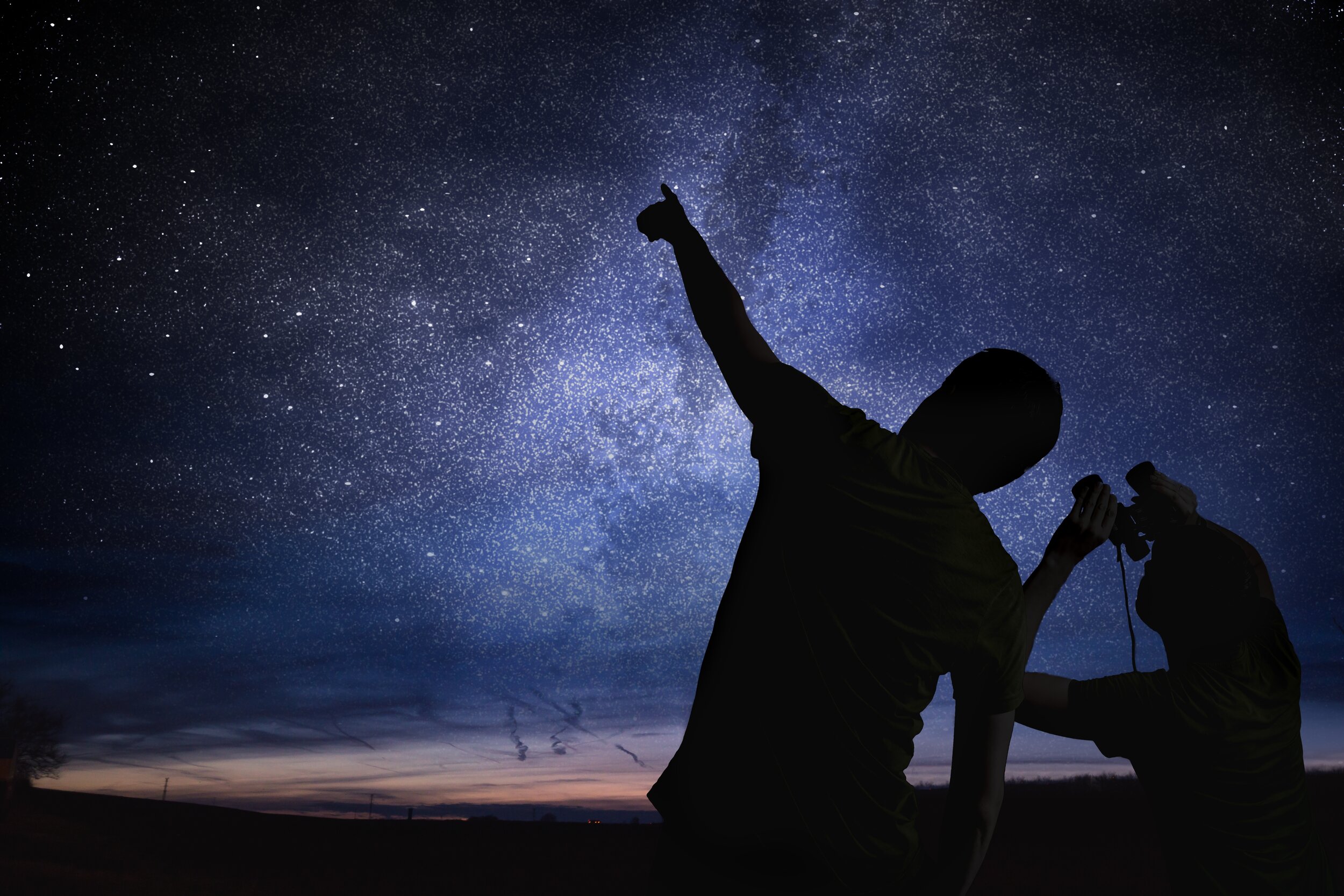
Exploring the Night Sky
Exploring the night sky can be a mesmerizing experience, whether you're a novice astronomer or a seasoned stargazer. One of the essential tools for navigating this celestial realm is a star chart: your guide to identifying constellations, stars, and planets visible from your location on Earth.
An Introductory Star Chart Tutorial
In this beginner's guide, we'll delve into the basics of star charts, helping you unlock the mysteries of the night sky with confidence.
What is a Star Chart?
A star chart is a graphical representation of the night sky that shows the positions of stars, constellations, planets, and other celestial objects. These charts are typically designed to be used at specific times of the year and for specific locations on Earth, taking into account factors like latitude and local time.
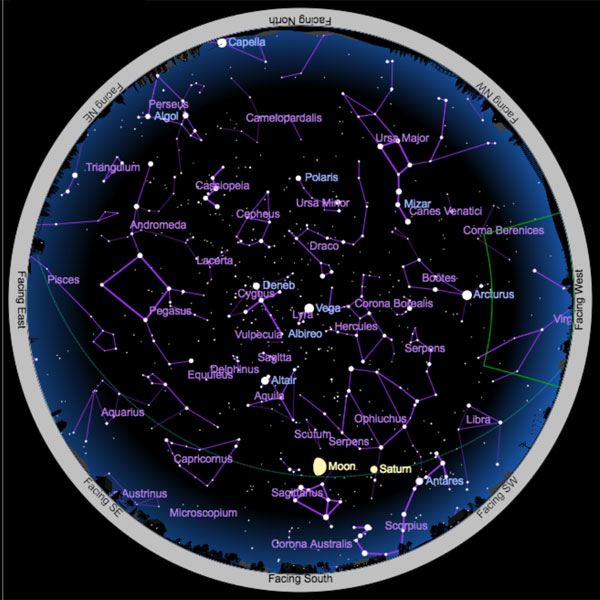
Modern star charts can be found in printed formats, on astronomy apps, or online tools, each offering varying levels of detail and customization:
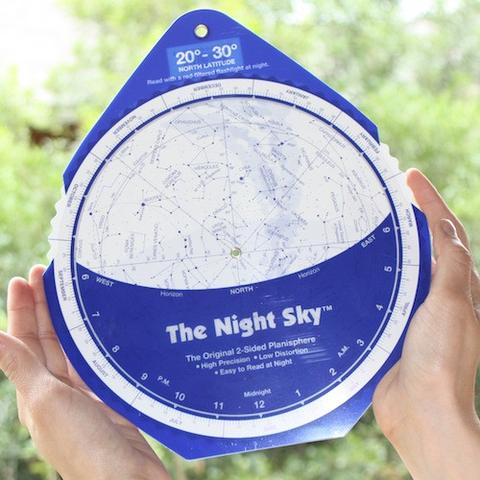
- Planispheres: Planispheres are simple, circular star charts that show the positions of stars and constellations visible at any given time of the year. They consist of an adjustable wheel that allows you to select the date and time to match the current night sky. Planispheres are excellent for beginners due to their ease of use and portability.
- Printed Star Atlases: These are detailed maps of the entire celestial sphere, showing faint stars and deep-sky objects. They are more complex than planispheres and are used by more advanced astronomers who need detailed charts for specific observations.
- Digital Star Maps and Apps: With the advent of smartphones and tablets, many astronomy apps have become popular tools for sky observation. Apps like SkySafari, Stellarium, and Star Walk offer interactive star maps that adjust in real-time based on your location and time. They often include additional features like augmented reality, allowing you to point your device at the sky to identify stars and constellations.
A star chart is your map to exploring the universe
Using a Star Chart
Step 1: Orient Yourself. Before using a star chart, familiarize yourself with your surroundings. Know which direction is north, south, east, and west as this will help you orient yourself when using the chart.
Step 2: Set the Time and Date. If you're using a planisphere or digital star map, set the date and time to match the current observation session. This adjustment ensures that the positions of celestial objects on the chart correspond accurately to their positions in the sky.
Step 3: Recognize Constellations and Stars. Begin by identifying prominent constellations that are easily recognizable, such as Orion, Ursa Major (the Big Dipper), and Cassiopeia. These constellations serve as anchor points from which you can navigate to other stars and objects.
Step 4: Using the Scale. Pay attention to the scale of the star chart. This scale helps you estimate distances between stars and the sizes of constellations. It also indicates the magnitude of stars (brightness) and sometimes includes additional information about deep-sky objects.
Step 5: Practice and Patience. Don't be discouraged if identifying stars and constellations takes time. It's a skill that improves with practice. Start with simpler constellations and gradually work your way towards more challenging ones.
Tips for Better Observations
- Minimize Light Pollution: For clearer observations, choose a location away from city lights and other sources of light pollution.
- Use Red Light: When referencing your star chart at night, use a red flashlight or cover your phone's screen with a red filter to preserve your night vision.
Take Notes: Keep a notebook or use a note-taking app to jot down your observations, including the date, time, and specific celestial objects you've identified.
Navigating the night sky with a star chart is an enriching experience that connects us to the vast cosmos above. Whether you're using a traditional planisphere, a detailed star atlas, or a cutting-edge astronomy app, understanding how to read and interpret star charts opens up a world of exploration and discovery.
With practice and patience, you'll soon find yourself confidently identifying constellations, tracking planets, and marvelling at the wonders of the universe right from your own backyard.
Happy stargazing!