
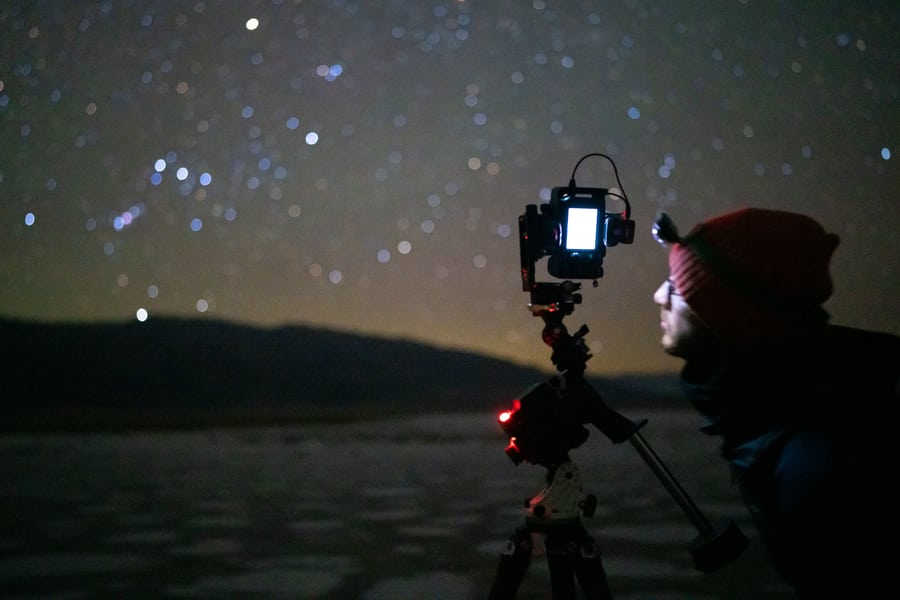
Capturing the Night Sky
Astrophotography is an amazing way to connect with the wonders of the universe, capturing the ethereal beauty of the night sky. Whether you’re a beginner or have some experience, this guide will help you get started with the right techniques and tips to take stunning photos of celestial wonders.
The Secrets to Stunning Night Sky Photos
Let’s start with the basics. You don’t need the most expensive gear to take great night sky photos, but having the right equipment can make a big difference. A DSLR or mirrorless camera with manual settings is ideal, but even a smartphone with manual controls can work. A sturdy tripod is a must to keep your camera steady during long exposures, and a remote shutter release or intervalometer is helpful to minimize camera shake.
But let’s talk camera settings. Begin by switching your camera to manual mode, allowing full control over settings. Set your aperture to the widest setting (f/2.8 or lower) to let in as much light as possible. Adjust the ISO to a higher value (typically between 800 and 3200), balancing sensitivity with noise levels. The exposure time should be long enough to capture light from stars but short enough to prevent star trails; start with 15 to 30 seconds and adjust accordingly. Using a camera rotator or a star tracker allows for longer exposures.
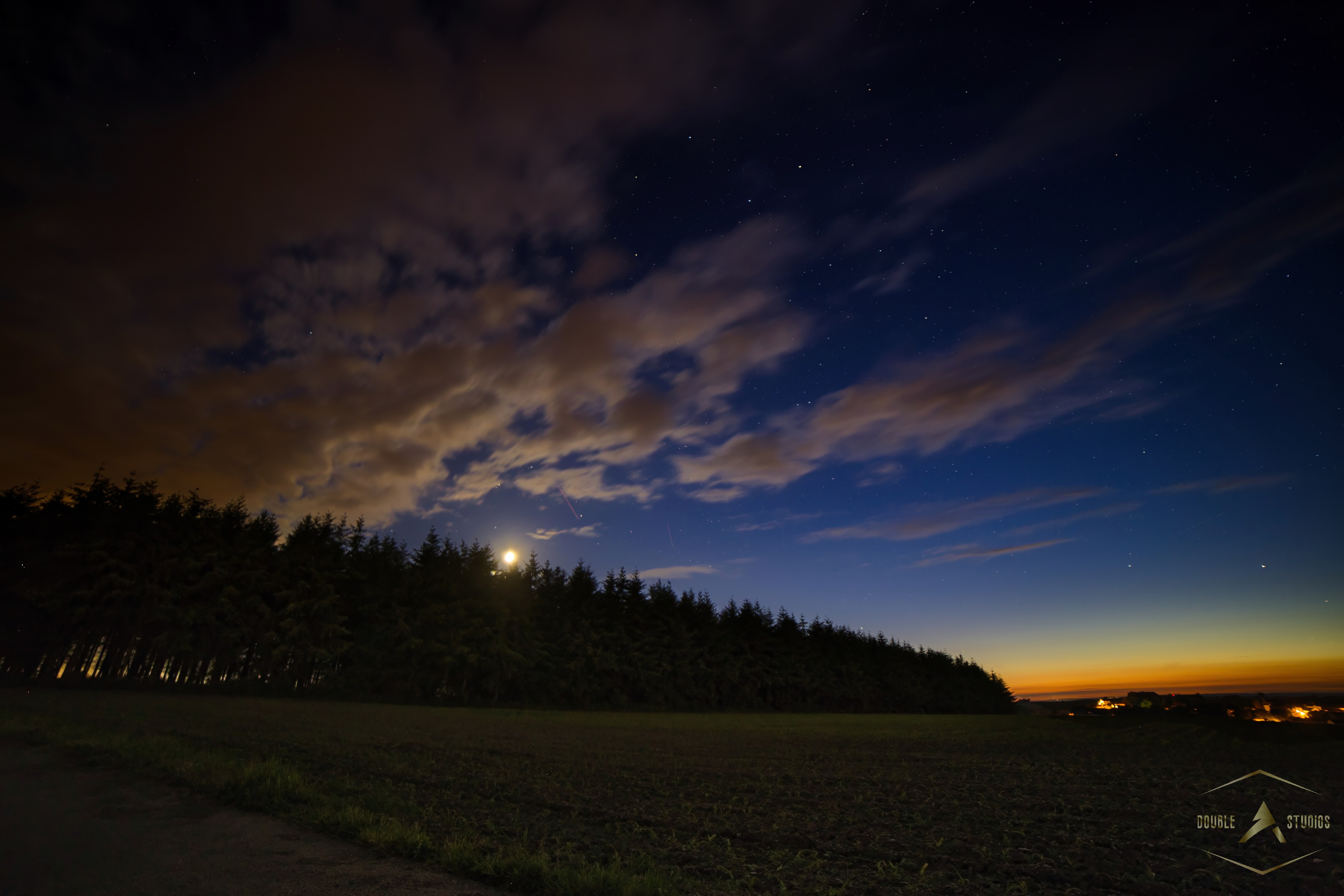
Focusing in the dark can be tricky, but is essential for crisp images. Use your camera’s live view and zoom in on a bright star or distant light to manually adjust the focus. Remember to disable autofocus, as it can struggle in low-light conditions and may not achieve the desired focus.
Just as in Real Estate, photography is about one thing: location, location, location! Finding a good spot is crucial. Seek out areas with minimal light pollution, such as rural locations, national parks, or designated dark sky reserves. You want to get away from city lights and find a place with minimal light pollution. Rural areas, national parks, or dark sky reserves are perfect. There are apps and websites that can help you find these dark spots. Once you’re there, let your eyes adjust to the darkness and use a red flashlight to preserve your night vision while setting up your gear.
When it comes to composing your shots, be creative. Include interesting foreground elements like trees, mountains, or buildings to add depth to your photos. Experiment with different angles and perspectives. Use the rule of thirds to position key elements in your frame. Capturing the Milky Way, constellations, or meteor showers can make your photos even more spectacular.
Explore, capture, inspire
Timing is everything in astrophotography. Plan your shots around the new moon, when the sky is darkest. Use apps to track the positions of stars, planets, and the Milky Way to ensure you’re in the right place at the right time. Patience is key; sometimes the best shots come after hours of waiting for the perfect moment.
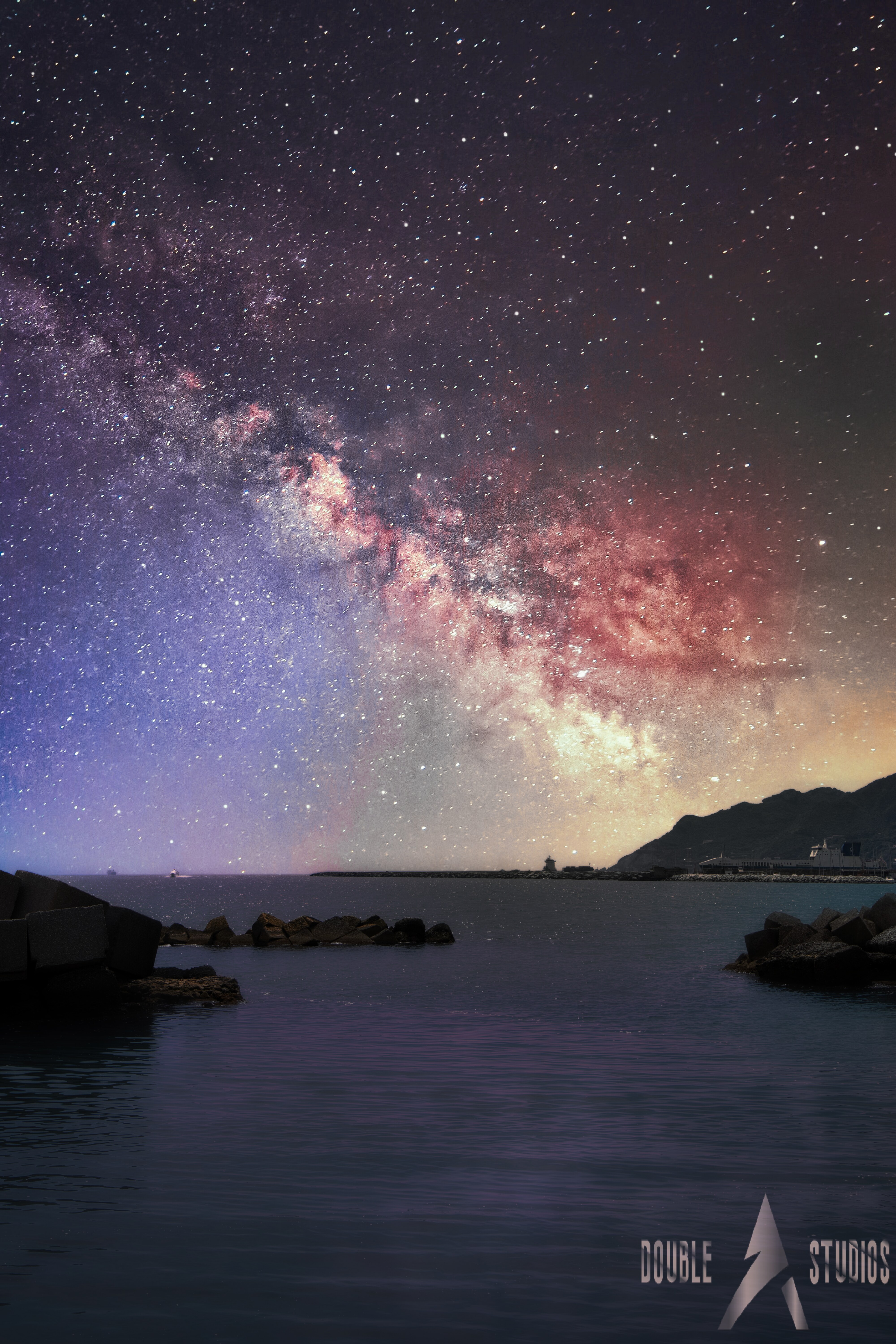
Post-processing is where you can really make your photos pop. Software like Adobe Lightroom or Photoshop can help you adjust the white balance, increase contrast, and reduce noise. Don’t be afraid to experiment with different settings to bring out the best in your photos. Stacking multiple exposures can also help you reveal more details and create stunning images.
As you embark on your astrophotography journey, remember that practice and experimentation are your best teachers. Each session under the stars brings new learning opportunities and a deeper appreciation for the cosmos. Embrace the process, from setting up your gear in the dark to the thrill of capturing the perfect shot.
Personally, astrophotography is not just about the technical side; it’s also about connecting with the universe. Through your lens, you’ll capture the beauty of galaxies, stars, and the Milky Way, and share the wonders of the night sky. So grab your camera, find a dark sky, and let the magic of the universe unfold before you.
Happy shooting!